
Summary
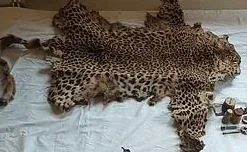
Forest officials in the Sirmaur district recently carried out a successful raid that led to the recovery of several illegal wildlife items. Acting on a specific tip-off, the Rapid Response Team searched a house in Ghuttanpur village, where they found a leopard hide and various other animal parts. Two men were arrested at the scene and are now facing serious charges under India’s wildlife protection laws. This operation is seen as a major step in stopping the illegal trade of endangered species in the region.
Main Impact
The primary impact of this raid is the disruption of an organized illegal trade network. By seizing a leopard hide and parts from other protected animals, the forest department has prevented these items from reaching the black market. This action helps protect the local ecosystem by making it harder for poachers to profit from killing wild animals. It also serves as a warning to others involved in similar illegal activities that the authorities are actively monitoring the area.
Key Details
What Happened
On a Wednesday morning, the Rapid Response Team from the Paonta Sahib Forest Division arrived at the home of a man named Akhtar Ali in Ghuttanpur village. The village is located within the Majra forest range. During a thorough search of the property, officials discovered several animal parts hidden away. Most of the items were found concealed within the roof of the house, showing a clear attempt to hide the evidence from the law.
The team was led by Assistant Conservator of Forests Aditya Sharma. He was supported by Range Forest Officers Surendar Sharma and Sachin Sharma, along with other field staff. Their quick action ensured that the suspects could not dispose of the illegal items before the search began.
Important Numbers and Facts
The list of items recovered during the raid is extensive and points toward a history of poaching. The officials seized one leopard hide and several leopard whiskers. They also found leopard paws, but the nails had already been removed. In addition to the leopard parts, the team found three pairs of horns belonging to Ghorals and two pairs of antlers from barking deer.
Beyond the animal parts, the team found physical evidence of hunting. This included three empty bullet shells and a sharp-edged weapon used for cutting meat. These tools suggest that the suspects were directly involved in the killing and processing of the animals. Two individuals, Akhtar Ali and Saddam Hussain, were taken into custody. They are being charged under multiple sections of the Wildlife Protection Act of 1972, specifically sections 39, 40(2), and 49C (7).
Background and Context
Wildlife protection is a serious matter in India, especially concerning animals like leopards. Leopards are listed under "Schedule 1" of the Wildlife Protection Act. This is the highest level of protection given to animals in the country. Being in Schedule 1 means that these animals are considered highly endangered, and any harm done to them carries the strictest legal penalties. The law is designed to ensure that these species do not go extinct due to human greed.
The illegal trade of animal parts is often driven by high demand in international markets. Items like leopard skins, bones, and claws are often sold for large sums of money. Ghorals and barking deer are also protected species that play a vital role in the forest environment. When these animals are removed from the wild, it upsets the natural balance of the forest, which can lead to other environmental problems over time.
Public or Industry Reaction
The forest department has expressed concern over the organized nature of this crime. Assistant Conservator Aditya Sharma noted that the presence of specific tools and the way the items were stored suggests a professional operation rather than a one-time event. Local conservationists have praised the Rapid Response Team for their efficiency. Many believe that community involvement, such as providing tips to the police, is the most effective way to catch poachers who operate in remote villages.
What This Means Going Forward
The two accused men were brought before a court and have been handed over to the forest department for further questioning. This period of custody will allow investigators to dig deeper into where the animal parts were going to be sold. Authorities want to find out if there are more people involved in this specific trade ring. There will likely be increased patrols in the Majra forest range to prevent further poaching incidents.
For the suspects, the legal road ahead is difficult. Since the case involves Schedule 1 animals, the punishments can include long prison sentences and heavy fines. This case will be used as an example to show that the government is serious about enforcing wildlife laws. The forest department is also expected to work more closely with local villagers to encourage them to report any suspicious activity in the future.
Final Take
The recovery of these animal parts is a reminder of the constant threats facing India's wildlife. While the arrest of two individuals is a success, the presence of organized trade tools shows that the fight against poaching is far from over. Protecting endangered species requires a mix of strong laws, dedicated forest officers, and a public that values nature. This operation in Ghuttanpur is a clear victory for conservation, but it also highlights the need for continued effort to keep the forests safe.
Frequently Asked Questions
What is a Schedule 1 animal?
A Schedule 1 animal is a species that receives the highest level of legal protection in India under the Wildlife Protection Act. This includes endangered animals like leopards and tigers. Harming these animals leads to the most severe legal punishments.
What items were found during the raid?
Officials found a leopard hide, whiskers, and paws without nails. They also recovered horns from Ghorals, antlers from barking deer, empty bullet shells, and a sharp weapon used for butchering animals.
What happens to the people who were arrested?
The suspects, Akhtar Ali and Saddam Hussain, were produced in court and are currently in the custody of the forest department. they will face trial for violating several sections of the Wildlife Protection Act, which could lead to jail time and fines.
Photo courtsy : google photos