

Summary
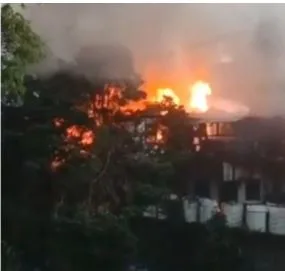
A major fire broke out in the famous heritage market of Kasauli on Monday morning, leading to the destruction of eight shops. The fire became much worse because of several gas cylinder explosions that happened one after another. These blasts created a dangerous situation for both residents and emergency workers. Authorities are now investigating whether shop owners were illegally storing large amounts of fuel, which turned a manageable fire into a massive disaster.
Main Impact
The primary impact of this fire was the total loss of eight commercial properties and nearly Rs 3 crore in financial damage. Beyond the money, the event has caused a major safety scare in the region. The explosions made it almost impossible for firefighters to do their jobs safely. Every time a cylinder burst, the fire crews had to pull back, which allowed the flames to spread further into the old market area. This incident has forced the local government to rethink how they monitor fuel storage in crowded tourist spots.
Key Details
What Happened
The fire started early Monday morning in a section of the Kasauli market known for its historic buildings and narrow paths. As the heat increased, liquefied petroleum gas (LPG) cylinders stored inside the shops began to explode. Witnesses reported hearing more than a dozen loud blasts. One exploding cylinder was even thrown out of a shop by the force of the blast and rolled down a cobbled street, nearly hitting other buildings. The fire was extremely difficult to put out because water is not very effective against fires fueled by gas.
Important Numbers and Facts
After the fire was finally controlled, officials found between 10 and 12 charred and torn-apart gas cylinders at the site. Initial reports from the Sub-Divisional Magistrate (SDM) estimate the total property loss at approximately Rs 3 crore. To help the business owners who lost everything, the local administration has given an immediate payment of Rs 25,000 to each affected person as temporary relief. According to the law, small eateries are only allowed to keep up to 100 kg of commercial gas on their premises at any one time.
Background and Context
Kasauli is a popular destination for travelers, and the heritage market is often crowded with people. During the busy tourist season, the demand for food and services goes up significantly. To keep up with this demand, many restaurant and shop owners try to store extra fuel so they do not run out. However, storing these cylinders in small, poorly ventilated shops is very dangerous. This is not the first time this has happened in the region. A similar event in a town called Arki recently led to 10 deaths after multiple gas cylinders exploded inside a building. These repeated accidents show that many people are ignoring safety rules to save time or money.
Public or Industry Reaction
Local residents are very angry about the situation. They believe the fire could have been stopped much sooner if the cylinders had not been there to feed the flames. Fire department officials have also expressed their frustration. They noted that when they arrived, some shopkeepers were not honest about how many gas tanks were hidden inside their stores or nearby storage rooms. This lack of honesty puts the lives of firefighters at great risk. Meanwhile, Shravan Kumar, a high-ranking official in the Food and Civil Supplies department, has promised a full investigation. He stated that a field inspector will check if the shops had more gas than allowed or if they were handling the fuel in a careless way.
What This Means Going Forward
The government is now planning to enforce stricter rules for "gas banks." A gas bank is a specially designed, safe storage area for fuel that must be approved by oil companies and safety agencies. Moving forward, businesses in Kasauli may face more frequent inspections to ensure they are not hoarding fuel. If a shop wants to store a large amount of gas, they will have to follow strict safety protocols. There is also a call for better education for shop owners so they understand that water cannot easily put out a gas fire. The goal is to prevent another disaster before the next big tourist rush begins.
Final Take
The Kasauli market fire is a loud warning about the dangers of ignoring safety laws for the sake of convenience. While the financial loss is high, the risk to human life was even higher. For a historic town that relies on tourism, keeping the streets safe is just as important as keeping them beautiful. Strict enforcement of storage limits and better cooperation between business owners and fire officials will be the only way to make sure the heritage market stays standing for years to come.
Frequently Asked Questions
How much gas are shops allowed to store?
Commercial eateries are legally allowed to store up to 100 kg of LPG. Anything more than that requires special permission and a dedicated, safe storage area known as a gas bank.
Why was the Kasauli fire so hard to put out?
The fire was difficult to control because of repeated gas cylinder explosions. These blasts forced firefighters to stay back for their own safety. Additionally, water is not very effective at stopping fires that are fueled by gas.
What help is being given to the shop owners?
The local administration has provided an initial relief payment of Rs 25,000 to each shop owner who lost their business in the fire. A full report on the total damage is still being finished to determine further help.
