
Summary
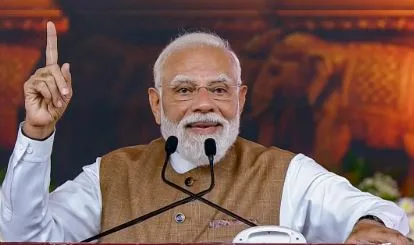
Prime Minister Narendra Modi recently gave a speech in the Lok Sabha that has caused a lot of debate across India. While he spoke about the importance of women in politics and the plan to redraw election boundaries, many people feel he left out the most important details. The speech did not explain why women’s reservation was delayed or how the government plans to protect the voting power of different states. This has led to concerns from regional parties and southern states who fear they might lose influence in Parliament.
Main Impact
The biggest impact of this development is the uncertainty it creates for India’s political future. The government is moving forward with a plan to increase the number of seats in the Lok Sabha to 850. However, the rules for how these seats are shared between states are changing. By breaking the traditional link between the national census and the redrawing of boundaries, the government is gaining more power to decide when and how these changes happen. This shift has made many state leaders nervous about whether their voices will still be heard in the future.
Key Details
What Happened
On Thursday, April 16, 2026, Prime Minister Modi addressed the Lok Sabha. He focused heavily on the role of women and the need for the Women’s Reservation Bill. However, he did not explain why this reservation was not used for the 2024 elections, even though the law was passed back in 2023. He also spoke about "delimitation," which is the process of redrawing the boundaries of voting districts to account for changes in the population.
Important Numbers and Facts
The government’s plan includes several specific changes that have caught the attention of experts and politicians:
- The number of seats in the Lok Sabha is proposed to rise to 850.
- The Women’s Reservation Bill aims to set aside one-third of seats for women, but this is now planned for the 2029 elections.
- The 131st Constitutional Amendment is being introduced to change how election boundaries are decided.
- A key vote on these measures is expected to take place on Friday at 4:00 pm.
Background and Context
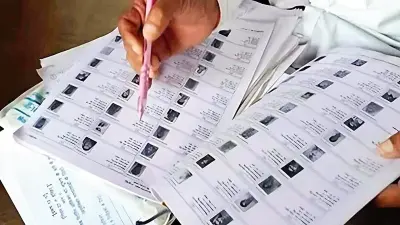
To understand why this is such a big deal, it helps to know what delimitation is. In simple terms, as the population grows, the government needs to redraw the map of election areas so that each Member of Parliament (MP) represents roughly the same number of people. Usually, this happens after a national census is completed.
The problem is that population growth is not the same everywhere. Northern states have seen their populations grow much faster than southern states. If seats are handed out strictly based on population, northern states will get many more seats, and southern states will have less power in the central government. Southern states argue they are being punished for successfully managing their population growth and improving education.
Public or Industry Reaction
The reaction from the Opposition has been very strong. The Congress party accused the Prime Minister of being unclear and avoiding the real issues. They pointed out that the government could have reserved seats for women right now without increasing the total number of seats in Parliament. Some regional parties, like the Trinamool Congress, noted that they already have a high percentage of women MPs, proving that change is possible without waiting for new laws.
Leaders from southern India are particularly worried. They are asking for more than just verbal promises. They want a legal guarantee written into the Constitution that ensures their state’s share of power will not shrink when the new seats are added.
What This Means Going Forward
The next few days will be critical for the government. Because of the pushback from various states, the government might add new sections to the Bill to offer more protections. If they do not include these protections in the Constitution itself, any promises made now could be changed later by a simple vote. This creates a trust gap between the central government and the states. The upcoming vote on Friday will show whether the government is willing to make these guarantees or if they will push through the current plan despite the objections.
Final Take
The debate over women’s reservation and seat redrawing is about more than just numbers; it is about how power is shared in a large and diverse country. While the Prime Minister’s speech was full of positive words about women’s empowerment, the lack of clear legal protections for states has left many feeling uneasy. For these changes to work and be accepted by everyone, the government may need to move beyond speeches and provide the solid legal guarantees that the states are demanding.
Frequently Asked Questions
What is delimitation in simple terms?
Delimitation is the process of redrawing the boundaries of election districts. This is done to make sure that each representative in Parliament speaks for a similar number of voters as the population changes over time.
Why are some states worried about the new plan?
States with slower population growth, especially in the south, fear they will lose seats in Parliament. If more seats are given to states with higher populations in the north, the southern states will have less influence on national laws.
When will the women’s reservation actually start?
Although the bill was passed in 2023, the government currently plans to implement the reservation for women in the 2029 Lok Sabha elections. Opposition leaders argue it could and should have started sooner.