
Summary
As West Bengal prepares for the 2026 Assembly elections, a major political debate has broken out over the "bulldozer model" of governance. The BJP is using the bulldozer as a symbol of strength and a tool to fight corruption. However, opposition parties like the TMC and CPI(M) argue that this approach targets the poor and destroys the lives of working-class families. With the elections set for late April, voters are now weighing the promise of tough administration against the fear of losing their homes and livelihoods.
Main Impact
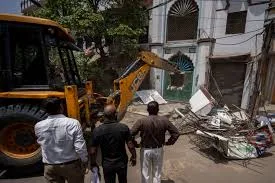
The use of bulldozers in politics has changed how voters view government power. In several states ruled by the BJP, heavy machinery has been used to tear down buildings that the government calls illegal. While some see this as a way to enforce the law, others see it as a direct attack on the poor. In West Bengal, this issue is becoming a central part of the election campaign. It has created a sharp divide between those who want a "tough" government and those who fear that such actions will lead to mass displacement and economic pain for the most vulnerable citizens.
Key Details
What Happened
In the lead-up to the elections on April 23 and 29, 2026, BJP leaders in West Bengal have started using bulldozer imagery in their rallies. Leaders have been seen posing with these machines, promising to "bulldoze" corruption if they win. On the other side, the ruling Trinamool Congress (TMC) and other opposition groups are warning the public. They claim that if the BJP wins, the same demolition drives seen in states like Uttar Pradesh and Bihar will happen in Bengal. They argue that this would destroy the small shops and informal houses that many people in the state rely on.
Important Numbers and Facts
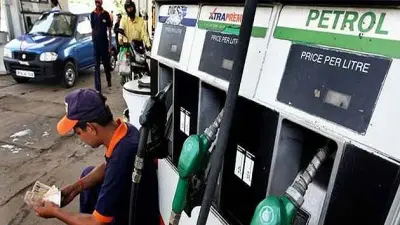
The debate is supported by recent data and local economic facts. Reports suggest that over 1.2 lakh homes were demolished across India in 2025 alone. Many of these were in low-income neighborhoods. In contrast, political leaders in Bengal point to the state's current focus on low-cost living. For example, in Kolkata, a cup of tea can still be found for Rs 3, and the "Maa Canteen" program provides meals for as little as Rs 5 to Rs 30. These low prices are often used to show that the current state government prioritizes the basic needs of the poor over aggressive urban clearing.
Background and Context
The "bulldozer model" started as a way for governments to show they were taking a hard stand against criminals and illegal construction. Over time, it became a popular political symbol in northern India. However, West Bengal has a different political history. The state has a large population of informal workers, street vendors, and people living in colonies without formal land papers. For these groups, a bulldozer is not a symbol of justice but a symbol of losing everything. The opposition is using this fear to tell voters that the BJP's style of governing does not fit the social and economic reality of Bengal.
Public or Industry Reaction
The reaction to this political messaging has been strong. TMC leaders have stated that Bengal wants jobs and stability, not "rubble" and destruction. They argue that the BJP model lacks empathy for the common person. Left-wing leaders have also criticized the move, saying it is a way to divide poor communities. Meanwhile, some voters in other states have shared their stories of loss. In Meerut, small traders expressed shock when their shops were torn down without warning. In Bihar, laborers who voted for the government said they felt betrayed when their shelters were removed during anti-encroachment drives. These stories are now being shared widely in Bengal to influence the upcoming vote.
What This Means Going Forward
The 2026 election will likely be a test of which governance model the people of Bengal prefer. If the BJP's message of "toughness" wins, it could lead to a major shift in how the state handles urban planning and illegal settlements. If the opposition's message wins, it will reinforce the importance of welfare schemes and protection for the poor. The biggest risk is for the millions of people living in informal housing. They face a future of uncertainty as political parties fight over whether the bulldozer is a tool for progress or a weapon against the weak.
Final Take
The debate over bulldozer politics is about more than just buildings; it is about the soul of governance in West Bengal. Voters must decide if they want a government that uses force to show authority or one that focuses on keeping the cost of living low and protecting the shelters of the poor. As the election dates approach, the sight of a bulldozer has become the most controversial image in the state, representing either a clean-up of the system or the destruction of a way of life.
Frequently Asked Questions
What is bulldozer politics?
It refers to the use of heavy machinery by the government to demolish buildings or shops that are claimed to be illegal. It is often used as a political symbol of being "tough" on crime or corruption.
When are the West Bengal Assembly elections?
The elections are scheduled to take place in two phases on April 23 and April 29, 2026.
Why are people in Bengal worried about this model?
Many people in Bengal live in informal housing or run small street-side businesses. They fear that a bulldozer-led government would destroy their homes and shops without providing them with a new place to live or work.