
Summary
Rahul Gandhi, the Leader of the Opposition in the Lok Sabha, has launched a sharp attack on Prime Minister Narendra Modi over a new government proposal. He described the plan as an "anti-national power grab" that aims to change how people are represented in Parliament. The dispute centers on the government's plan to link women’s reservation with a process called delimitation, which involves redrawing the boundaries of voting districts. Gandhi argues that this move will unfairly reduce the political power of backward classes and smaller states across India.
Main Impact
The primary concern raised by the opposition is that the government’s plan could fundamentally change the balance of power in India. By redrawing voting boundaries based on old population data, critics fear that states in the south and northeast will lose their influence in the Lok Sabha. Furthermore, the move could increase the total number of seats in Parliament significantly. While the goal is to implement a 33 percent quota for women, the way it is being done has sparked a major political battle over fairness and regional rights.
Key Details
What Happened
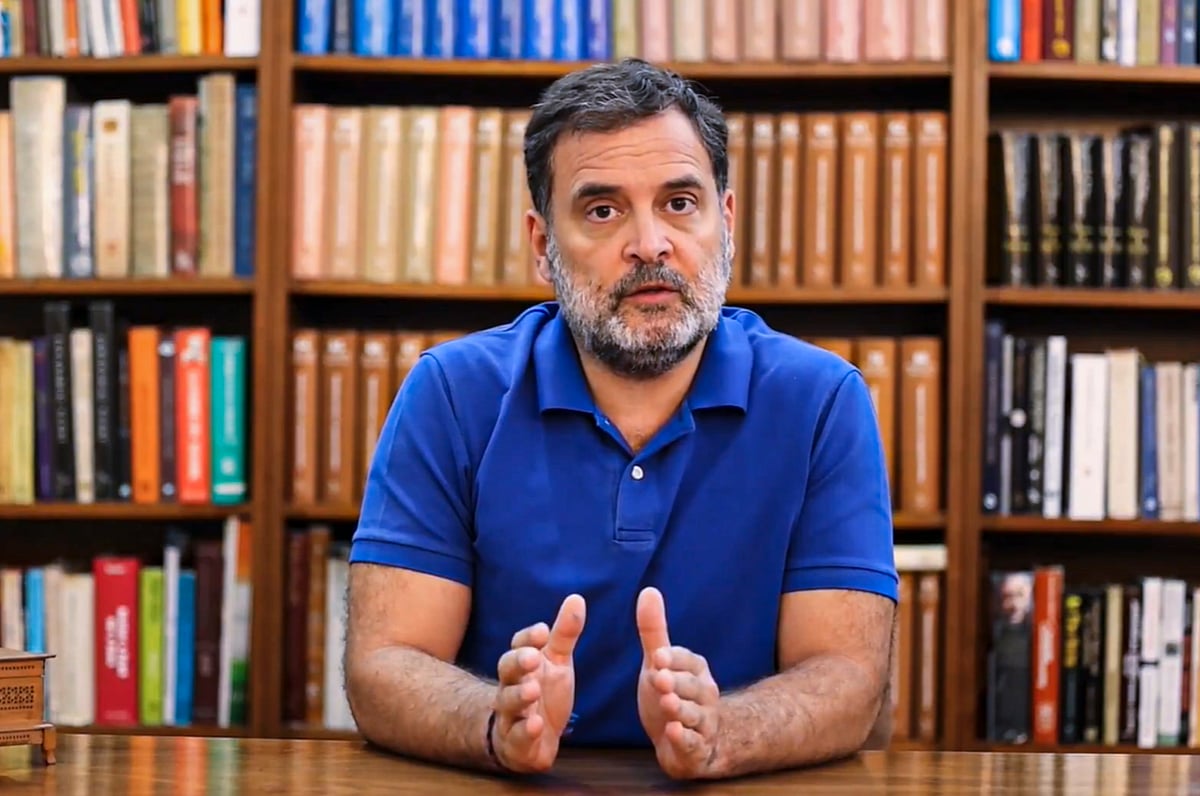
Rahul Gandhi released a video message expressing his strong disapproval of the Constitution Amendment Bill. He claimed the government is attempting "hissa chori," which translates to "stealing the rightful share" of representation from specific groups. He specifically pointed out that the government is relying on data from the 2011 Census, which is now 15 years old. According to Gandhi, using this outdated information ignores the current reality of the population, especially for Other Backward Classes (OBCs).
Important Numbers and Facts
The proposed bill includes several major changes to the structure of the Indian Parliament. One of the most significant figures is the plan to increase the number of Lok Sabha seats from the current 543 to as many as 850. This expansion is intended to make room for the 33 percent reservation for women without taking seats away from current male representatives. The government aims to have these changes ready in time for the 2029 general elections. However, the opposition insists that any such change must be based on a new caste census to ensure every community gets its fair share of seats.
Background and Context
To understand this issue, it is important to know what delimitation means. Delimitation is the process of fixing the limits or boundaries of territorial constituencies in a country to reflect changes in population. Usually, this happens after a new census. The last time this was done on a large scale was decades ago. The government now wants to combine this process with the implementation of the Nari Shakti Vandan Adhiniyam, a law passed in 2023 that promises women one-third of the seats in Parliament and state assemblies.
The controversy arises because population growth has not been the same across India. Northern states have seen much faster population growth than southern states. If seats are redistributed based strictly on population, northern states would gain many more seats, while southern and northeastern states would lose their relative strength in the national government.
Public or Industry Reaction
The opposition parties, working together as the INDIA bloc, held a high-level meeting at the home of Congress President Mallikarjun Kharge. After the meeting, the group made it clear that they fully support giving more power to women in politics. However, they are united against the specific way the government is trying to achieve it. Kharge stated that the delimitation provisions in the bill are "politically motivated." They believe the government is using women's reservation as a cover to redraw the political map in a way that helps the ruling party.
What This Means Going Forward
The next steps will involve intense debates in Parliament as the bill is discussed. The opposition is demanding that the government conduct a fresh caste census before moving forward. They also want the delimitation to be based on the 2026 Census rather than the 2011 data. If the government proceeds with the current plan, it could lead to legal challenges and further protests from states that feel they are being marginalized. The outcome will decide not only how many women sit in Parliament but also which regions of India hold the most power for the next several decades.
Final Take
The debate over women’s reservation has shifted from a question of gender equality to a complex battle over regional fairness and caste representation. While both sides agree that women deserve more seats in government, the method of reaching that goal has created a deep divide. The decision to link seat reservation with the redrawing of voting boundaries ensures that this will remain one of the most contentious political issues leading up to the 2029 elections.
Frequently Asked Questions
What is delimitation in simple terms?
Delimitation is the process of redrawing the boundaries of voting areas (constituencies) to make sure each seat represents a similar number of people as the population grows or shifts.
Why is Rahul Gandhi against the current plan?
He believes the plan uses old data from 2011, which ignores the current population of backward classes. He also fears it will reduce the political power of southern and northeastern states.
How many seats will the Lok Sabha have under the new proposal?
The proposal suggests increasing the number of seats in the Lok Sabha from 543 to approximately 850 to accommodate the new 33 percent quota for women.